
Nature doesn't create extraordinary saffron by accident.

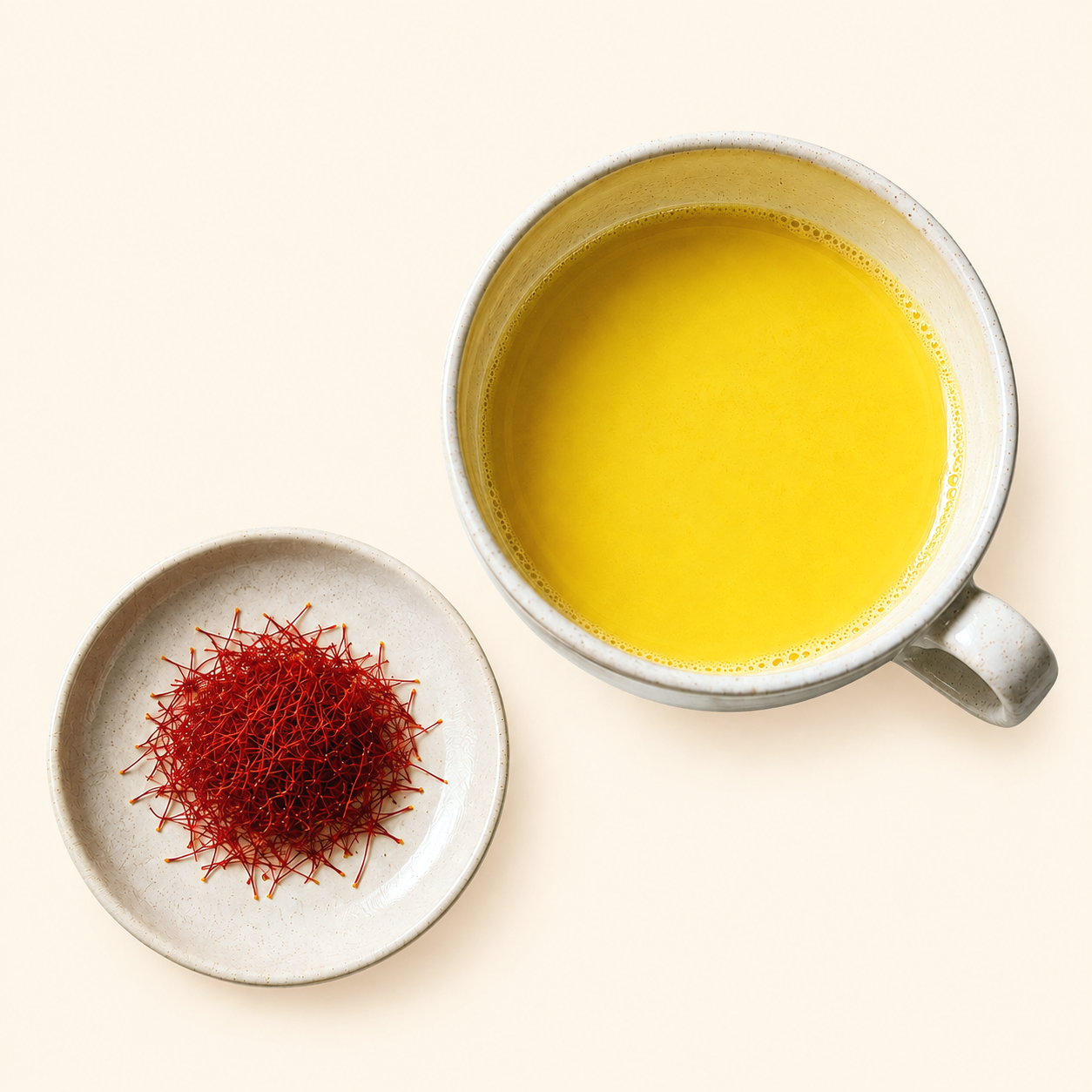
A mug of golden saffron milk beside a plate of saffron threads

Every thread begins as part of the delicate Crocus sativus flower — a flower that blooms for just a few weeks each autumn. Out of every blossom, only three crimson stigmas are harvested by hand. These tiny threads are where the plant naturally stores the compounds that make saffron.

But those compounds don't appear overnight.

They are produced by the flower as it adapts to its environment. The cool autumn climate of Pampore, Kashmir, bright Himalayan sunlight, mineral-rich soil, limited rainfall and slow seasonal growth encourage the flower to naturally concentrate protective plant compounds within its stigmas. These compounds help the plant survive environmental stress while attracting pollinators and protecting its reproductive tissues.

This is why geography matters. The same flower grown under different conditions can vary significantly in colour, aroma and chemical composition.

3
stigmas per flower
~150,000
flowers per kilogram
Few weeks
of bloom, once a year

Crocin — Nature's Colour Shield

The deep crimson colour of Mongra saffron comes from Crocin, a water-soluble carotenoid found in exceptionally high concentrations within the stigma.

Carotenoids are pigments that plants produce to absorb excess sunlight and protect delicate cells from oxidative damage. In saffron, crocin acts like a natural shield against environmental stress.

When saffron is steeped in water or milk, crocin dissolves easily, giving the liquid its signature golden colour. This same compound is widely studied for its antioxidant properties, as antioxidants help neutralise unstable molecules produced during normal metabolism and exposure to pollution, sunlight and stress.

This is one reason saffron has long been associated with healthy skin and overall wellness.

Safranal — Born During Drying

Fresh saffron flowers actually have very little aroma. The characteristic fragrance develops only after harvesting.

As the stigmas are carefully dried, a natural transformation takes place. A compound called Picrocrocin gradually breaks down into Safranal, creating the warm, honey-like aroma that defines pure saffron.

Picrocrocin→ slow drying →Safranal

This careful drying process is one of the reasons traditional craftsmanship is important. Dry too quickly and aroma is lost. Dry too slowly and quality declines.

The distinctive scent isn't simply pleasant — it is evidence that the saffron has been processed correctly.

Picrocrocin — The Taste of Authenticity

Before it becomes aroma, picrocrocin gives saffron its subtle bittersweet taste.

This compound serves as one of nature's indicators of freshness and quality. Pure saffron contains balanced levels of picrocrocin, which gradually convert into safranal during drying while leaving behind saffron's delicate flavour profile.

Its presence is one of the characteristics experts look for when evaluating genuine Mongra saffron.

Now, why only Saffron?

Thousands of plants contain antioxidants.

Very few produce crocin, safranal and picrocrocin together.

This unique combination exists almost exclusively in the stigma of the Crocus sativus flower. Because each flower produces only three usable threads and blooms for a short period each year, saffron remains one of the rarest botanical ingredients in the world.

It takes nearly 150,000 flowers to produce just one kilogram of dried saffron, making every thread the result of extraordinary natural precision and human craftsmanship.

The Role of Pampore

The finest saffron isn't simply harvested — it is grown under the right conditions.

Pampore's altitude, fertile alluvial soil, cool autumn temperatures, clear Himalayan sunlight and traditional farming methods allow the flower to mature slowly, preserving both its colour and the concentration of its naturally occurring compounds.

Make the most out of this nature's gift to us

A few strands a day in warm milk or water is all it takes. The benefits build up gently, over weeks.

Begin your ritual

Wellness claims are educational. Consult your doctor if pregnant, nursing, or on medication.